


HOW TO LIVE YOUR BEST LIFE IN RETIREMENT


By Louis Green, CFA®, CFP®, CRPS®
Defining Your Retirement Lifestyle
Money is not everything …. right? Regardless of whether you believe that or not, you should be conscious about how you want to live your life after retirement. What are some of the things you value most? Do you love to travel? What hobbies will you pursue or continue to pursue? Do you have an opportunity to give back by volunteering your time?
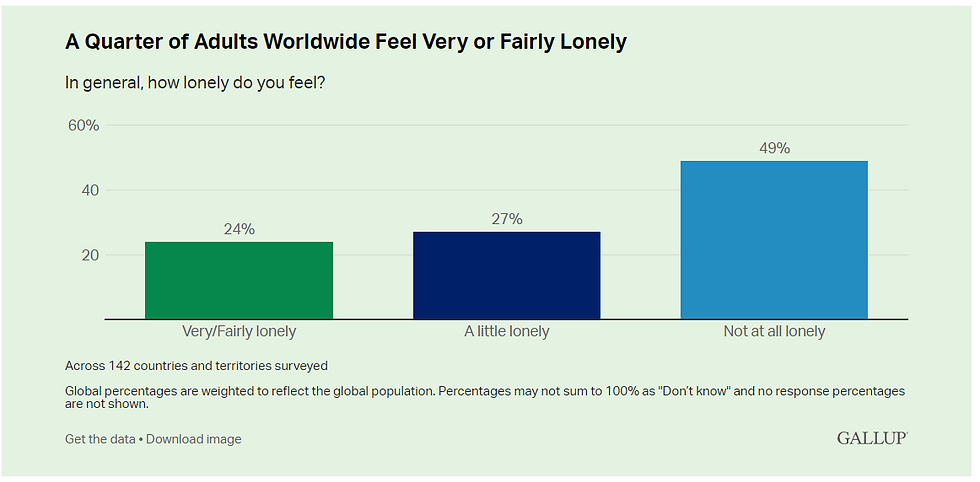
How about friends and family? Do your best to stay connected because loneliness can be a real concern as we age. According to a Meta-Gallup poll (chart below), nearly one in four people worldwide feel very or fairly lonely.1
A Quarter of Adults Worldwide Feel Very or Fairly Lonely1
Location
Where you choose to live will also play a big role in your retirement. You should consider issues such as the cost of living and proximity to family when deciding where to live or relocating. If you live in a large home, consider the advantages and disadvantages of downsizing to a smaller home. Other options to consider include aging in place or moving to a senior community.
If you choose to stay at home, make sure your home continues to be safe and ideal for you as you age.
Health and Wellness Considerations
You should be mindful of your health and wellness. Consider staying active, scheduling regular doctors’ visits, and maintaining a healthy diet. Keep your mind healthy by reading regularly, attending free adult classes, and volunteering. There are countless opportunities available for you to stay physically and mentally active.
Consider your health care options post-retirement because health care costs are a significant concern for many retirees. At 65, most Americans qualify for Medicare. You may need a Medigap policy to pay costs that Medicare does not cover, like copayments, coinsurance, and deductibles.
Medicare Alternatives
Alternatives include employer-sponsored retiree health insurance plans, Medicaid, and health insurance through the marketplace established by the Affordable Care Act. Additionally, there are state health insurance assistance programs and services available for veterans through the Veterans Health Administration. Some of these programs offer free counseling and assistance to beneficiaries and their families.
Long-Term Care
Long-term care consists of a variety of services that can help you live safely if you have a chronic illness or disability, and may be provided by caregivers, family, friends, and/or care professionals. Long-term care insurance can help cover the costs of extended care, whether at home or in a facility. Start looking into policies in your fifties or early sixties when premiums are more affordable. Look for policies that cover a range of services, from in-home care to nursing home facilities. Medicaid can help those with limited assets, but it has strict eligibility requirements.
Hybrid Long-Term Care Insurance
Consider purchasing a life insurance policy that includes long-term care policy coverage. If you require care, the policy pays out some or all the death benefit while you are still alive. If you pass away without needing long-term care, your heirs receive the full death benefit of the policy.
Let’s Talk
Find out how Prestiq Wealth can help you create a comprehensive financial plan based on their book, 5 Steps To Retirement Planning.
All advisory services are offered through Savvy Advisors, Inc. (“Savvy Advisors”), an investment advisor registered with the Securities and Exchange Commission (“SEC”).

Comments